Get the Best Out of Your Home Recycling Efforts
Recycling at home offers a powerful opportunity to reduce your environmental footprint, save resources, and contribute to a cleaner, greener planet. But are you truly maximizing your home recycling efforts? This comprehensive guide explores actionable strategies, best practices, and expert tips to get the best out of your home recycling efforts and make every effort count.
Why Home Recycling Matters More Than Ever
The scale of waste generation is staggering--according to the EPA, Americans generate over 292 million tons of municipal solid waste annually. A significant portion of this waste ends up in landfills, leading to greenhouse gas emissions and resource depletion. Recycling correctly at home reduces the demand for raw materials, conserves energy, and shrinks landfill waste, making it one of the simplest yet most impactful environmental actions you can take.

Understanding the Basics: What Can You Recycle at Home?
Before you start optimizing your household recycling system, it's crucial to understand what materials can be recycled in your area. Municipalities often have different rules, which can lead to "wishcycling"--putting non-recyclable items in the recycling bin, which can contaminate batches and cause issues at sorting facilities.
Commonly Recycled Items in Most Programs
- Paper and Cardboard: Newspapers, magazines, office paper, flattened cardboard boxes.
- Metals: Aluminum cans, tin cans, steel food containers.
- Plastics: Bottles, jugs, containers labeled with recycling symbols #1-#2.
- Glass: Bottles and jars (check for color sorting requirements).
Items Rarely Accepted Curbside
- Plastic bags and wrappers
- Pizza boxes (if greasy)
- Styrofoam or polystyrene containers
- Shredded paper
- Batteries, e-waste, or light bulbs
Always check with your local recycling program for the specific guidelines that apply to your community. Proper sorting is central to getting the best out of your home recycling efforts!
7 Essential Tips to Optimize Your Home Recycling Strategy
1. Set Up a Recycling Station That Works for You
A well-designed home recycling area can make recycling effortless for your whole family. Place bins for each material type in a convenient spot, such as the kitchen, pantry, or garage. Use clear labels and color coding if possible, so everyone knows exactly where each item goes. Dirty or overflowing bins discourage participation--keep your area tidy and accessible!
2. Educate Household Members and Houseguests
The best home recycling efforts are a team endeavor. Take time to explain the importance of recycling and your household's recycling rules. Post a quick checklist or guide near your bins as a reminder. If you have kids, make recycling a fun challenge--see who can spot non-recyclable contaminants most often. Education reduces recycling mistakes and boosts participation.
3. Rinse Before You Recycle
Food and liquid residues can contaminate whole loads of recyclables. Take a moment to rinse jars, bottles, and cans before tossing them in the bin. While items don't need to be spotless, removing major residues keeps pests away and maximizes the chance your items will actually be recycled.
4. Flatten, Squash, and Save Space
Cardboard boxes and plastic bottles take up a lot of room in bins. Flatten and squash containers before tossing them. This allows you to fit more material in your bin and makes transportation and sorting easier for facilities.
5. Never "Wishcycle"
It's tempting to toss questionable items into the bin hoping they'll be recycled. This practice, known as wishcycling, often results in contamination. When in doubt, look it up or throw it out. Many municipalities offer online tools or hotlines for checking recyclability.
6. Make Use of Specialty Recycling Programs
Some items aren't accepted in curbside bins but can be recycled through specialty programs. These include batteries, electronics, plastic bags, and hazardous materials. Retailers, local government events, and mail-in recycling solutions can help you responsibly dispose of these items. Explore programs like TerraCycle for hard-to-recycle products--a key way to maximize your home recycling impact.
7. Compost Organic Waste
While not traditional recycling, composting food scraps and yard waste diverts massive volumes from landfills and enriches your soil. Set up a backyard compost bin or subscribe to a curbside food waste service if available. About 30% of household waste is compostable--start today to see rapid results and truly get the most out of your eco-friendly efforts.
Advanced Home Recycling: Going Beyond the Basics
Understand Local Recycling Markets
Not all recyclables from your home end up as new products. Market demand for certain types of plastics and glass may fluctuate. Stay informed about what items your municipal system currently accepts--and focus on materials with healthy recycling markets like aluminum, cardboard, and #1 and #2 plastics. Your best household recycling efforts succeed by ensuring you're providing truly recyclable materials.
Reuse Whenever Possible
Before recycling, ask yourself if the item can be reused. Glass jars make great storage containers. Cardboard boxes are perfect for crafts or moving. Old clothing can be cut into rags. Reuse extends product life and reduces the burden on recycling infrastructure.
Reduce to Recycle Better
The first step in the reduce, reuse, recycle triangle is often the most powerful. By making conscious purchasing decisions--like avoiding single-use plastics or choosing products with minimal packaging--you reduce the volume you have to recycle later. Buying in bulk and supporting companies committed to sustainability are easy ways to shrink your recycling workload, enhance your impact, and support green business models.
Common Mistakes That Sabotage Your Home Recycling Efforts
- Including Non-Recyclables: Common culprits are greasy pizza boxes, plastic wrap, and certain plastics that aren't accepted locally.
- Bagging Recyclables: Many facilities cannot process plastic bags--empty recycling directly into bins.
- Failing to Rinse: As noted above, dirty containers can cause high contamination rates.
- Forgetting About Electronics and Hazardous Waste: These require special handling and should never go in curbside bins.
- Misreading Recycling Codes: Not all plastics with a triangle symbol are locally recyclable--double check numbers and local rules.
Innovative Solutions and Smart Tools to Maximize Your Recycling at Home
Recycling Apps and Online Resources
Leverage technology to improve your home recycling practices. Apps like iRecycle, Recycling Simplified, and tools from your waste hauler make it simple to check what's recyclable and locate drop-off sites for special materials. Bookmark your local recycling guide and reference it regularly.
Smart Sorting Bins and Labels
Upgrade your system with smart bins that provide guidance, track fill levels, or compact materials. Download and print recycling labels from reputable organizations like Recycle Across America to eliminate confusion and promote accuracy.
Joining Community or School Programs
Engage with community initiatives--like clothing swaps, electronics drives, or local repair workshops--to expand your impact beyond your household. Many schools run recycling competitions or education campaigns, offering a great way for families to participate collectively and learn together.
Frequently Asked Questions (FAQs) about Home Recycling
What happens if I put the wrong items in the recycling bin?
Contaminants can cause entire batches to be sent to landfill. Always follow local guidelines to reduce wishcycling. If unsure, check with your municipality before tossing.
How clean do recyclables need to be?
A quick rinse is usually sufficient--removing visible food or drink residue. They don't have to be spotless, but should be free of major debris.
Is recycling worth it if I don't have curbside pickup?
Yes! Drop-off centers, workplace or school programs, and specialty recycling locations expand options even if you lack curbside access. Many retailers collect plastic bags, batteries, and e-waste as well.
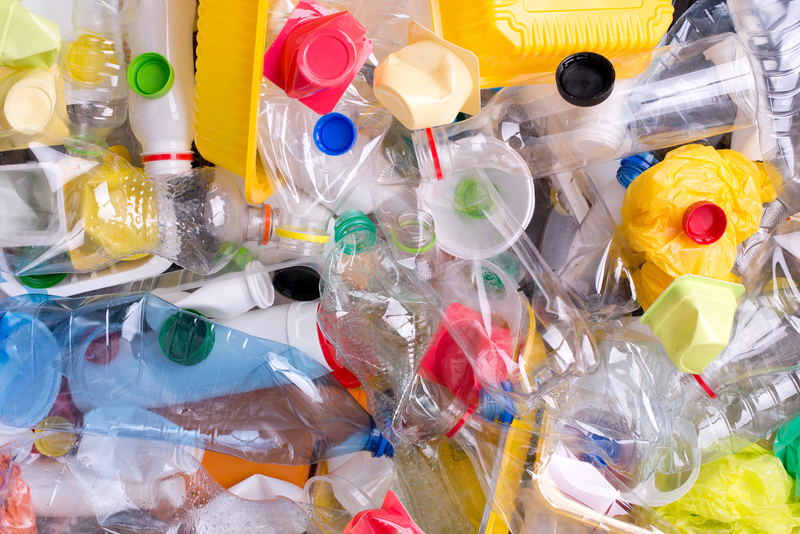
Empowering Sustainable Lifestyles: The Ripple Effect of Consistent Home Recycling
While one household's recycling might seem like a small drop in the bucket, collective action multiplies impact exponentially. Think of home recycling as a gateway into a more sustainable lifestyle: each action inspires neighbors, friends, and children to become more mindful of waste and resource use.
By mastering home recycling strategies, you become an agent for local environmental health. Cities with high recycling rates experience:
- Cleaner neighborhoods
- Less landfill pressure
- Higher air and water quality
- Growing demand for sustainable products and packaging
Conclusion: Start Today and Maximize Your Home Recycling Impact
Getting the best out of your home recycling efforts isn't just about tossing more items in the bin--it's about doing so thoughtfully, accurately, and consistently. By incorporating the strategies outlined above, you:
- Reduce contamination and boost recycling rates
- Conserve precious natural resources
- Support local jobs and green economies
- Set a positive example for your household and community
Start by evaluating your current recycling habits and choose one area to improve this week. Share your progress, seek out new knowledge, and remember: every recycled can, jar, or bottle adds up. Together, small changes lead to a big environmental difference.
For more guides and resources on sustainable living, bookmark this site and join the conversation on how we can all get the best out of our home recycling efforts for a brighter, cleaner future!